Used Car Buying Checklist: 10 Essential Things to Check Before Purchasing a Second-Hand Vehicle
Buying a used car can save you money, but choosing the wrong vehicle may lead to expensive repairs and unexpected problems. Whether you're buying your first car, upgrading, or purchasing a business vehicle, proper inspection is essential.
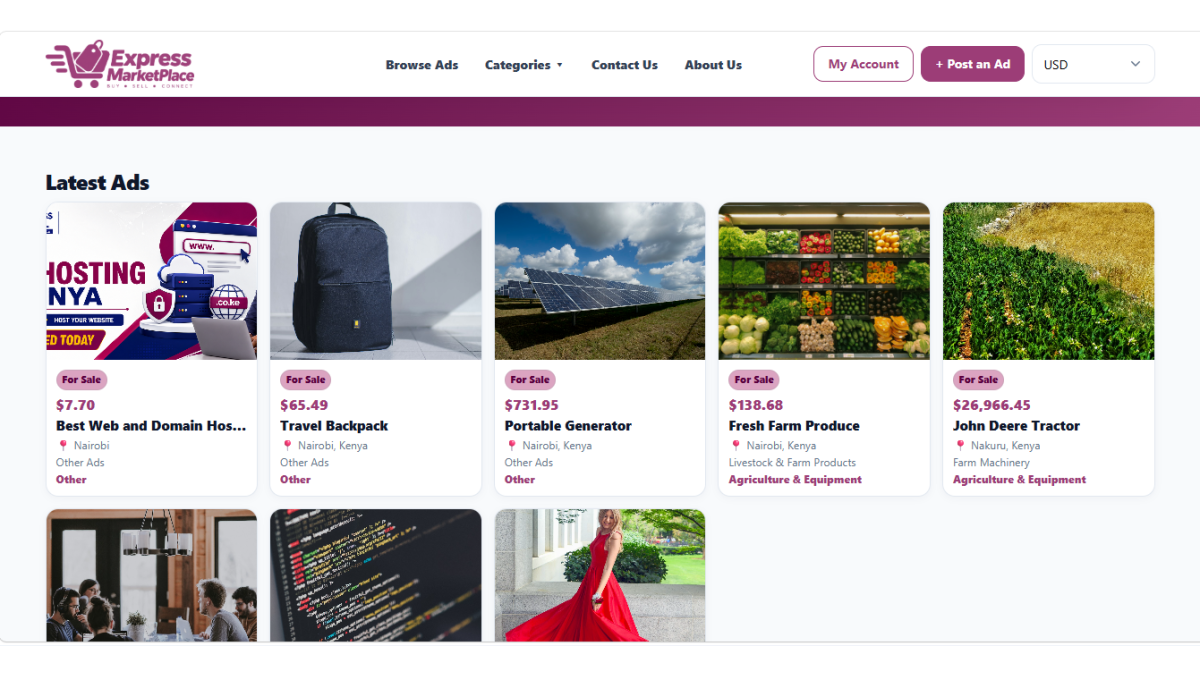
At Express MarketPlace, buyers and sellers worldwide can connect and explore available vehicles.
Before purchasing a second-hand car, follow these 10 essential used car buying tips.
1. Verify Ownership Documents
Check the vehicle's registration documents and confirm the seller has the legal right to sell it. Ensure the Vehicle Identification Number (VIN) matches official records.
Tip: Avoid vehicles with suspicious or inconsistent ownership documents.
2. Inspect the Exterior
Examine the body for rust, dents, scratches, uneven panel gaps, and mismatched paint. These may indicate previous accidents or repairs.
Inspect the vehicle in daylight for better visibility.
3. Check the Engine
Look for oil leaks, damaged hoses, corrosion, and unusual engine noises. Check engine oil and coolant levels.
Tip: Have a qualified mechanic inspect the engine before purchasing.
4. Examine Tires, Brakes, and Suspension
Check tire condition, tread depth, and uneven wear. Test the brakes and listen for unusual suspension noises during a safe test drive.
Worn components may require costly replacements.
5. Test the Interior and Electronics
Check the air conditioning, windows, lights, dashboard indicators, seat belts, and entertainment system.
Ensure all essential controls function properly.
6. Review Mileage and Service History
Compare the vehicle's mileage with its age, condition, and maintenance records.
A well-maintained high-mileage vehicle may be more reliable than a poorly maintained low-mileage car.
7. Take a Test Drive
Drive the vehicle under different safe road conditions. Check acceleration, steering, braking, transmission performance, and unusual vibrations.
Never skip a test drive when one can be arranged safely and legally.
8. Compare Market Prices
Research similar vehicles to understand their market value.
Compare the model, manufacturing year, mileage, condition, and features.
Explore vehicle listings on Express MarketPlace to compare available options.
9. Get a Professional Inspection
An independent mechanic can identify hidden engine, transmission, electrical, or structural problems.
A professional inspection may help you avoid expensive repairs after purchasing.
10. Complete Payment and Ownership Transfer Safely
Before paying, confirm ownership, review the sale agreement, and check for outstanding financial claims.
Use a secure payment method, obtain a receipt, and complete the required ownership transfer procedures.
Common Mistakes to Avoid
- Buying without checking ownership documents.
- Skipping a mechanical inspection.
- Ignoring dashboard warning lights.
- Paying deposits to unverified sellers.
- Failing to compare market prices.
- Rushing into a purchase without a test drive.
Frequently Asked Questions
Is buying a used car online safe?
Online marketplaces can help you find vehicles, but always verify the seller, inspect the car, and confirm ownership before making payments.
What is the most important thing to check?
Ownership documentation, mechanical condition, accident history, and maintenance records are all important.
Should I hire a mechanic before buying?
Yes. An independent inspection is strongly recommended, particularly for expensive or older vehicles.
Find Your Next Car on Express MarketPlace
Buying a used vehicle becomes easier when you know what to inspect and how to avoid common mistakes.
Express MarketPlace connects buyers and sellers worldwide, helping you discover used cars, SUVs, commercial vehicles, and other automotive opportunities.
Looking for your next vehicle?
Visit www.expressmarketsplace.com to explore available listings and connect with sellers.
Express MarketPlace — Explore. Connect. Buy. Sell.
Disclaimer: This article provides general buying guidance. Vehicle registration, inspection, and ownership transfer requirements vary by country. Always verify applicable local regulations.